British Columbia’s waterways are one of a kind. From freshwater lakes and rushing rivers to the outstretched coastline, water is part of how many people across the province connect with nature and active living.
Swim Drink Fish (SDF), a national water protection organization, is working to make sure more people can safely enjoy those waters for generations to come. The organization helps people build a relationship with the water first, then uses monitoring, public data, storytelling, and restoration projects to turn that connection into long-term protection.
Swimming, after all, is a landmark of health and water quality, and SDF is focused on protecting drinkable, fishable and swimmable waters on the West Coast over the long term.
After years of work to improve local water quality with support from the Weston Family Foundation, SDF sees an opportunity to turn underused waterfront areas into welcoming public spaces with the WAVE Prize (Waterfront Access, Vitality and Engagement).
The prize supports local governments and First Nations to build outdoor swimming infrastructure, such as harbour decks, swimming piers and open-water pools, that can expand recreation access beyond indoor community pools and facilities.
Those spaces remain essential public amenities, but they can also be costly to build, operate, and maintain. Outdoor swimming platforms offer another way for communities to expand access to recreation at a lower cost, while helping more people enjoy the natural waterways already around them.
Valued between $3 million and $15 million, the WAVE Prize is intended to support selected municipalities as they create accessible swimming structures in urban waterways. By creating new waterfront spaces that serve as community gathering places, the initiative also helps put attention on the value of outdoor social infrastructure across the province.
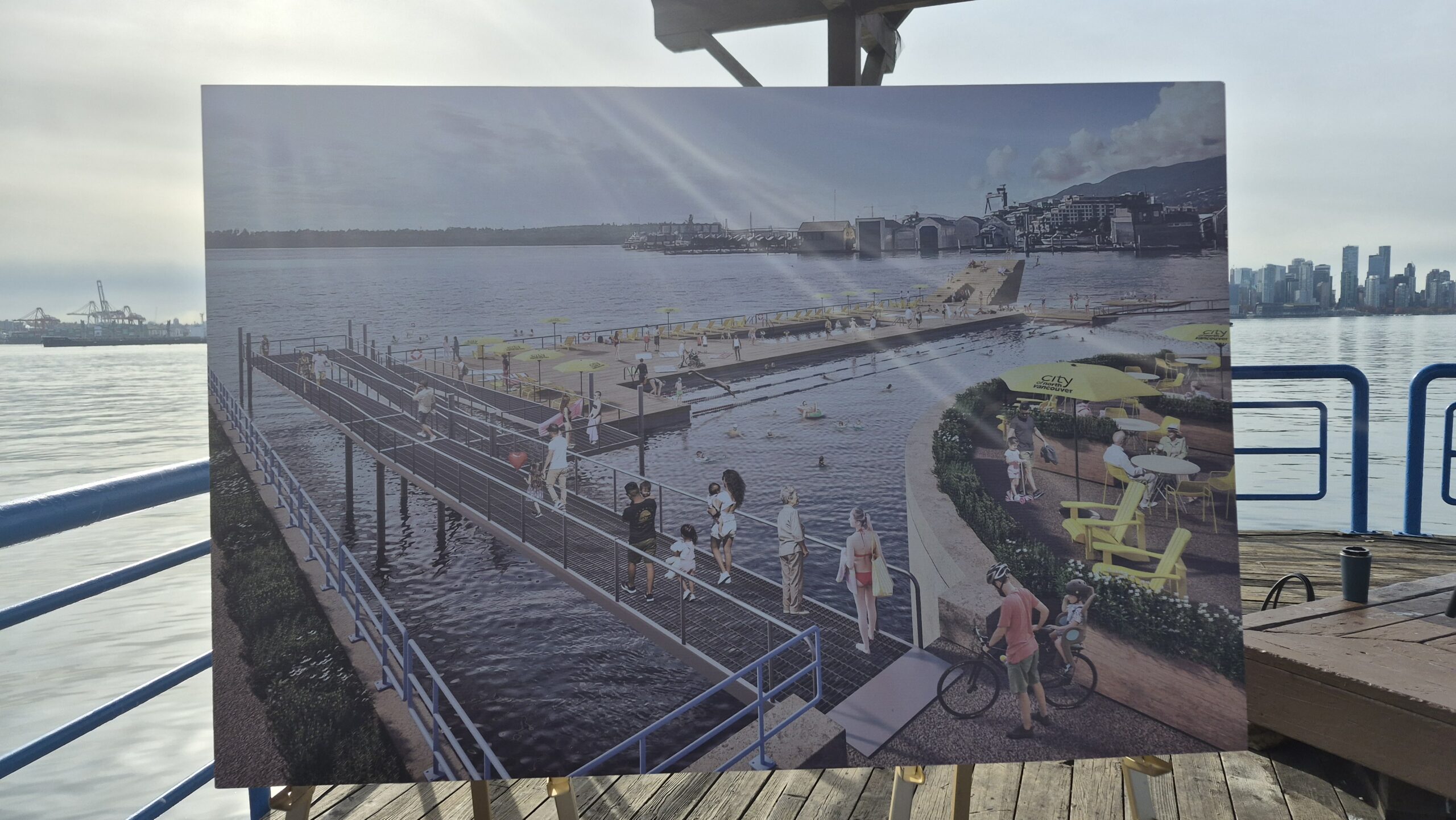
One of the first examples is the North Vancouver Harbour Swimming Deck. The deck will provide public access to open-water ocean swimming in Burrard Inlet, just off Waterfront Park in North Vancouver. The city has done significant work around water flow and quality to ensure its safety. Projected to be completed by 2027, the Harbour Swimming Deck will be the first of its kind in BC.
Its location offers a beautiful and unique opportunity. The project sits close to both open water and a busy urban epicentre, making it a visible example of how communities can use existing natural spaces to support recreation, connection, and well-being.
The city of North Vancouver recently announced it was moving into community consultation for the future swimming deck, inviting residents to share feedback on how the outdoor ocean swimming space should be designed, used and operated. From June 1 to 30, community members could weigh in on priorities such as key deck features, preferred hours, and potential improvements to Waterfront Park. The city also gathered input through an online survey and three drop-in information sessions from June 18 to 20, where residents could speak directly with project staff.
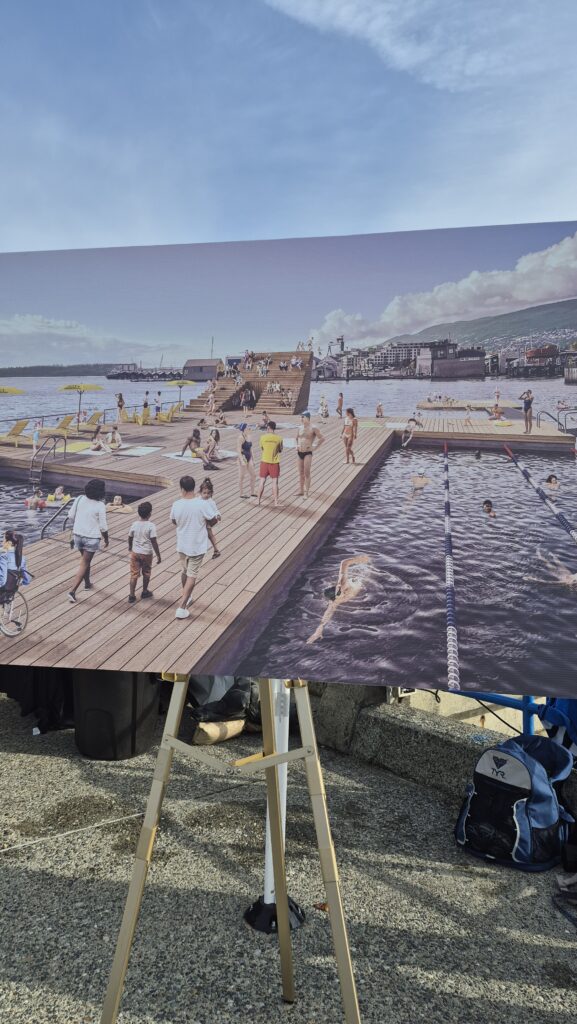
For the public, that is a major benefit of the Harbour Swimming Deck. The deck is designed to support up to 400 people at a time, is expected to include a wheelchair-accessible ramp, and offers shallow swim areas that can help families and newer swimmers feel more comfortable entering open water. It’s also free.
Access to outdoor swimming is about more than recreation. It can support physical activity, time in nature, social connection, and a stronger relationship with the local environment.
With the natural beauty that surrounds British Columbia, initiatives such as the WAVE Prize can help shape the future of inclusive outdoor recreation. The Harbour Swimming Deck is just a start, but the project shows how communities can create affordable public spaces that help people enjoy and protect the waters around them.

About the Author
Jeffrey Kennett joins BCRPA from the University of the Fraser Valley as a Communications Intern. He aims to highlight the people, places, and experiences that make recreation and parks so valuable. When he’s not writing for BCRPA, Jeff is drawn to the energy of sport and the stories that surround it. You can find more of his work on LinkedIn.