CAN Active Insights, a new Canadian national data platform for the recreation, parks, physical activity, and sport sector, is being developed to provide better evidence for infrastructure planning.
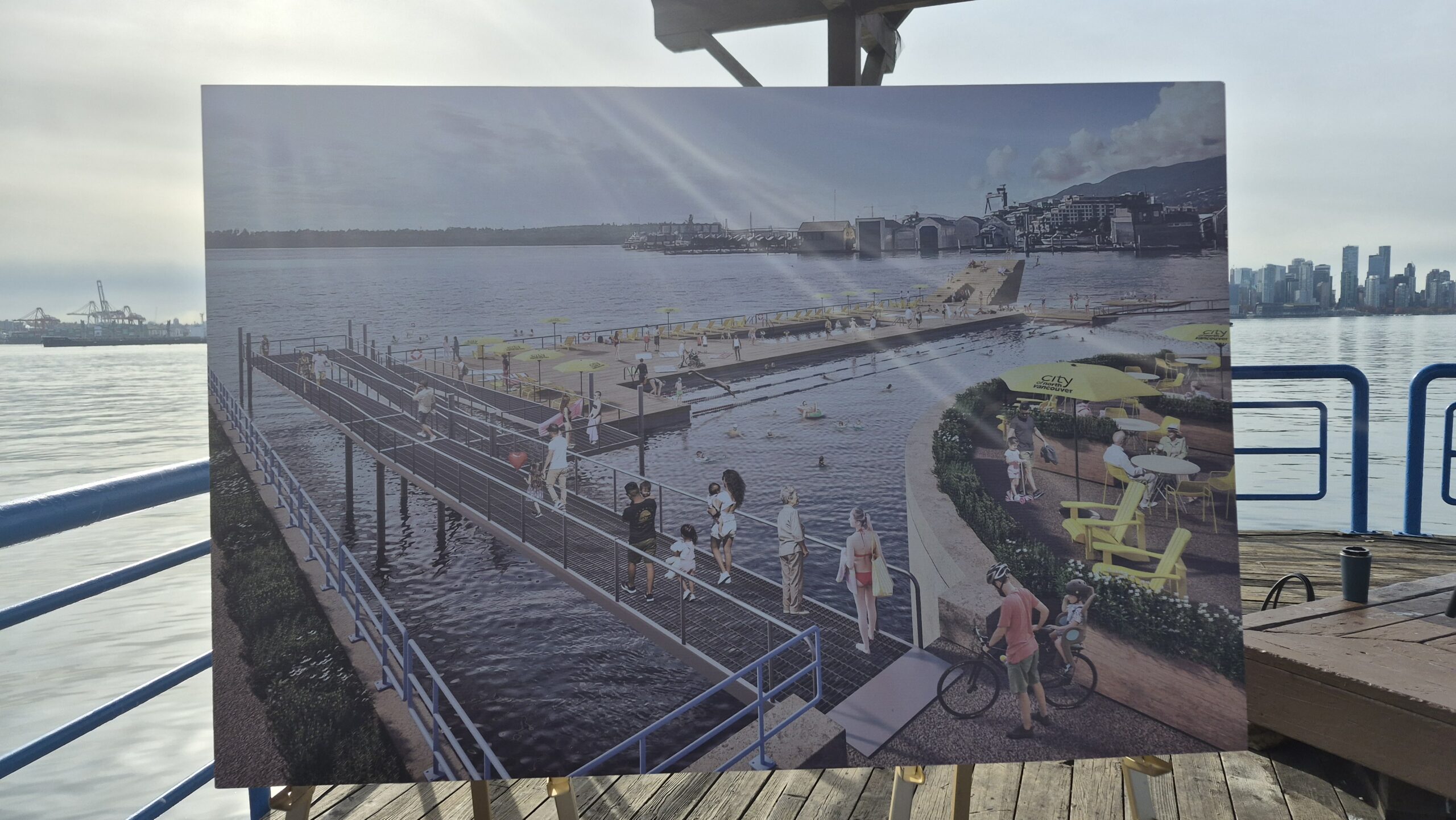
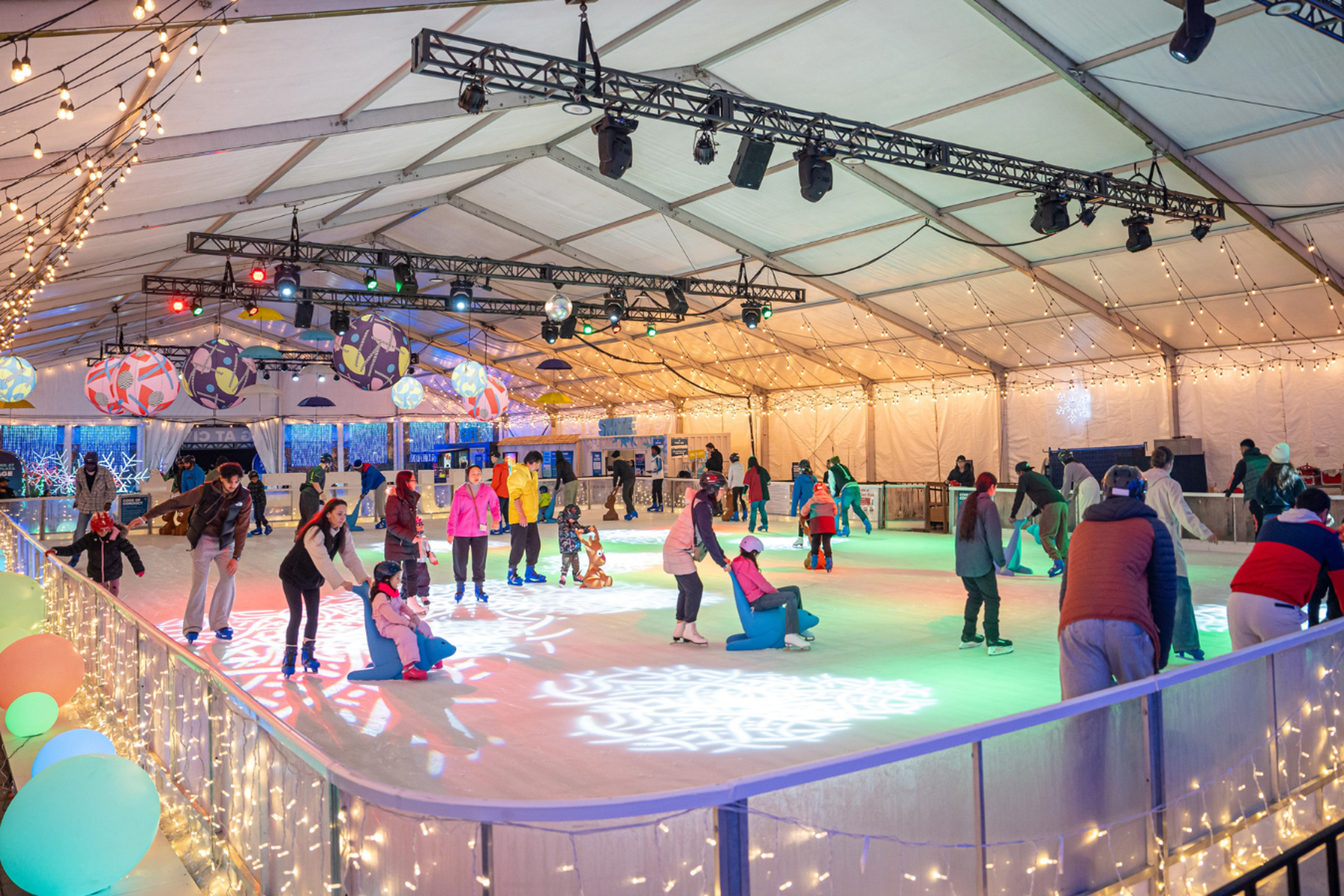
Across British Columbia, communities are facing major decisions about the future of the public spaces that help anchor daily life. Pools, arenas, and recreation centres are aging, while population growth, changing recreation trends and rising costs are increasing pressure on local governments to invest wisely.
To help support those decisions, The CAN Active Insights platform combines information on facilities, participation, movement patterns, community needs and economic impact to help recreation leaders identify where investment is needed most.
The need is significant. The average age of BC’s recreation facilities are roughly 46 years old, while pools average 47 years, and ice arenas average 49 years old, according to Statistics Canada and Can Active Insights. Many of these facilities were built for communities that looked very different from those they serve today.
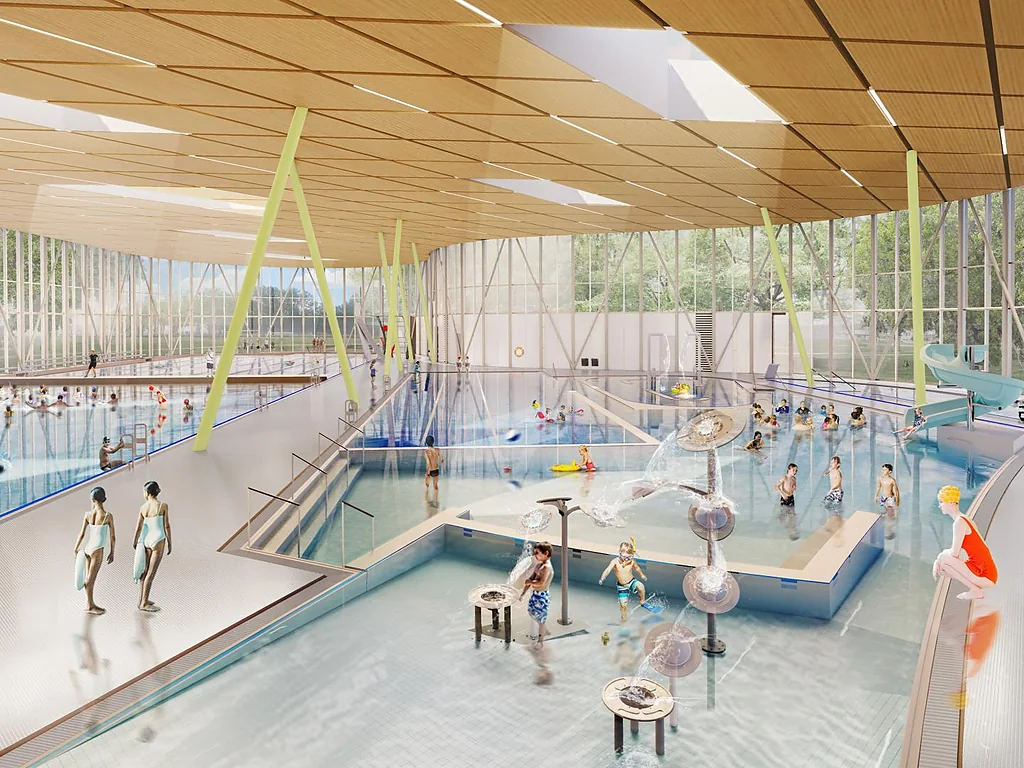
Local governments and municipalities are weighing difficult choices. Replacing a pool, upgrading an arena, or retrofitting a recreation centre often involves multimillion-dollar investments that compete against roads, wastewater systems and other infrastructure priorities. Recreation and parks departments increasingly need evidence to demonstrate why these investments matter and how they support healthy, connected and resilient communities.
Communities are already feeling the trickle-down effects of those pressures. In Victoria, the Crystal Pool replacement project is aimed at replacing an aging aquatic facility that has reached the end of its lifespan, while in Richmond, the Minoru Centre for Active Living was upgraded within the last six years, including swimming pools, fitness spaces and seniors programming areas.
Interests can also shift quickly. A decade ago, few municipalities were planning around pickleball demand. Today, many communities are balancing growing demand for pickleball courts alongside tennis courts and other recreation needs, often within limited public space.
What is CAN Active Insights and Who Created it?
Martin Sampson, CEO of the Canadian Parks and Recreation Association, said the platform was created by the recreation and parks sector for the recreation and parks sector to provide data that recreation professionals and policymakers can use to make better decisions at all levels of government.
The platform is a partnership between CPRA, the Canadian Fitness and Lifestyle Research Institute, the Sport Information Resource Centre and ActiveXchange, which serves as the technology and data partner. CAN Active Insights is built on earlier work, including the Measuring Impact Project, which examines the value of sport, physical activity, and CPRA’s national infrastructure database.
Those projects have now been brought together with added functionality to demonstrate a facility’s tangible impact, such as boosting physical and mental health, increasing volunteerism, and supporting local economic activity. According to Sampson, recreation and parks are frequently overlooked as essential community assets, despite the significant role they play in supporting the quality of life and well-being of each of us.
“The sector is rapidly evolving, it’s deeply misunderstood, and it’s absolutely vital to creating the communities in which we all want to live, work, play and raise our kids,”
CPRA CEO, Martin Sampson
That role often comes into focus when communities are under duress. These days, during wildfires or other emergencies, recreation facilities often become evacuation centres, with recreation professionals playing front-line roles in community response. To Sampson, that shows why the sector needs better ways to quantify its public value.
“Our goal here is not to make money,” he said. “It’s to give the sector the tools to do the things that it needs to do.”
CAN Active Insights can help communities take a more strategic approach to recreation planning by bringing facility, park and sport infrastructure data together in one place. A clearer view of what assets exist, where they are located, and how they serve residents can strengthen environmental scans, support recreation master plans, and help local governments make more informed long-term capital decisions.
Why Recreation Data Needs a Single Source of Truth
ActiveXchange’s Chief Product Officer & General Manager, North America, Chris Patterson, said that the platform is built to bridge a long-standing disconnect between operators and decision-makers. The goal is to help create a stronger “single source of truth.”
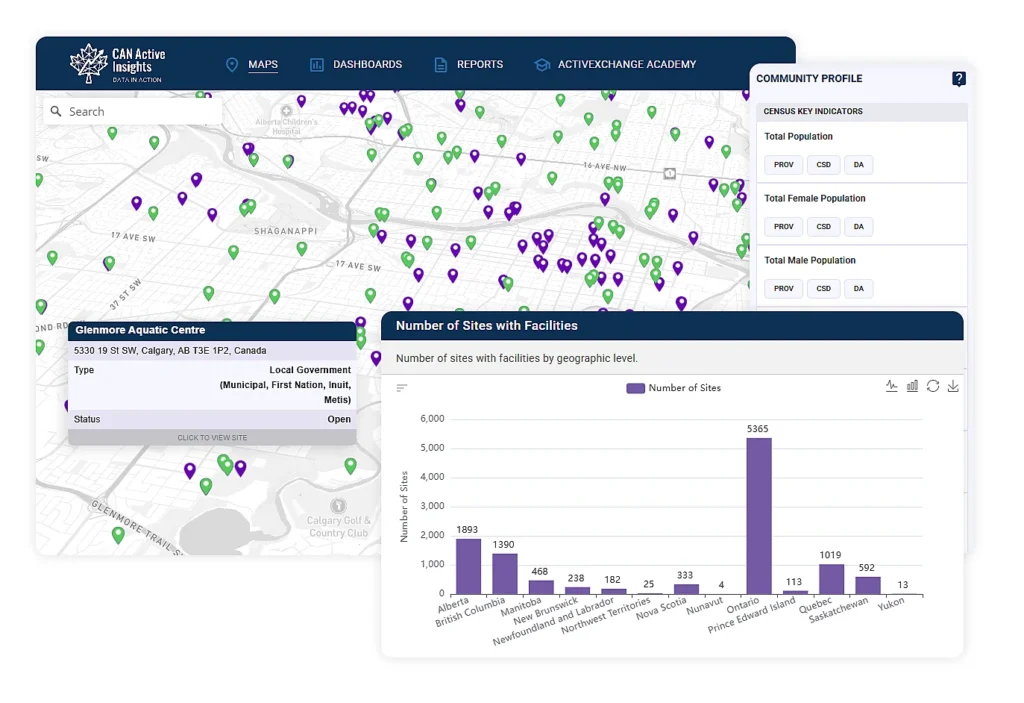
A municipality might know what facilities it owns, while a sport organization tracks athlete registrations, and a facility operator monitors bookings. Yet these pieces of information are often held separately and can also be inconsistently tracked across jurisdictions.
“There is a lot of publicly available data out there, including Health Canada, but it’s incomplete,” Sampson explained. “Bringing it all together gives you a much clearer picture of what’s happening now.”
Recreation leaders have often struggled to access vital information such as how their facilities compare to those in similar-sized communities. That lack of national consistency has also made infrastructure planning more difficult. “What we need to be able to do is say we have data to prove why it’s a smart public policy investment to invest in these important community amenities,” Sampson said.
Moving beyond anecdotal information can strengthen funding applications, support council decisions, and demonstrate how recreation investments deliver lasting value for residents and the wider community. CAN Active Insights can also help communities build a stronger case for recreation investment by providing clear, credible evidence of the social, economic, and environmental benefits of programs and infrastructure.
Who Uses BC’s Parks and Facilities, and Who Is Being Missed?
Movement data is one part of the platform’s broader value. Using privacy-compliant, aggregated location information, recreation leaders can utilize the data to better understand how people use public spaces.
It can help determine whether a playground draws mostly from nearby homes or identify whether a park is serving higher-income neighbourhoods more or less than nearby underserved communities. It can also show whether an arena attracts visitors from outside the municipality, which could also strengthen the case for regional partnerships.
Traditional methods, such as manual counts or trail counters, can show how many people pass through a location at a certain time. But they often don’t show where visitors originated from, whether nearby neighbourhoods are being served equitably, or how space use changes across seasons, weekdays, and weekends.
“What I see and what I hear is that the funding is very subjective,” Patterson said. “Submissions are based on relatively subjective evidence, and the movement data can certainly help provide a lot more objectivity.”

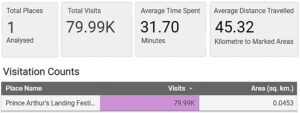
In Thunder Bay, Ont., movement data was used at Prince Arthur’s Landing to better understand public-space use during the summer event season. The city tracked visitation patterns to help inform future planning around events, amenities, and infrastructure. Similarly, in Waterloo, Ont., the Wonders of Winter festival used movement data to track attendance growth and strengthen its case for future sponsorships. Drowning prevention leaders in Auckland, New Zealand, also used movement data to identify high-use water sites, helping councils make evidence-based decisions about safety signage, rescue equipment and public education.
These examples reflect the same kinds of questions BC communities are urgently asking as they plan for their communities and the recreation demands of the future. Which facilities are nearing the end of their lifespan? Which neighbourhoods lack access to recreation amenities the most, and where is the demand growing? Which parks are drawing visitors from nearby regions?
Better data supports the most informed answers to those tough questions. As more municipalities and organizations contribute information, the database becomes stronger. It’s a cascading effect of one community’s data helping others benchmark and plan for the future.
Understanding how far residents travel, where visitors come from and which areas may be underserved can reveal gaps in access, support catchment and tourism planning, guide future investment, and help shape programs that better reflect community needs. CAN Active Insights can help communities make more informed and equitable decisions by comparing recreation infrastructure with population, demographic, and movement data.
How to Use CAN Active Insights in Your Work
BCRPA members and recreation leaders who want to learn more can can join the CAN Active insights mailing list to receive updates on the platform and share how they currently use, or hope to use platform in their community planning work. The mailing list is designed specifically to give participants a way to stay connected, as the platform strives to help communities better understand their infrastructure landscape, community profiles, access and equity gaps, movement patterns, and the broader social, health, economic and environmental value of recreation investment.

About the Author
Jeffrey Kennett joins BCRPA from the University of the Fraser Valley as a Communications Intern. He aims to highlight the people, places, and experiences that make recreation and parks so valuable. When he’s not writing for BCRPA, Jeff is drawn to the energy of sport and the stories that surround it. You can find more of his work on LinkedIn.