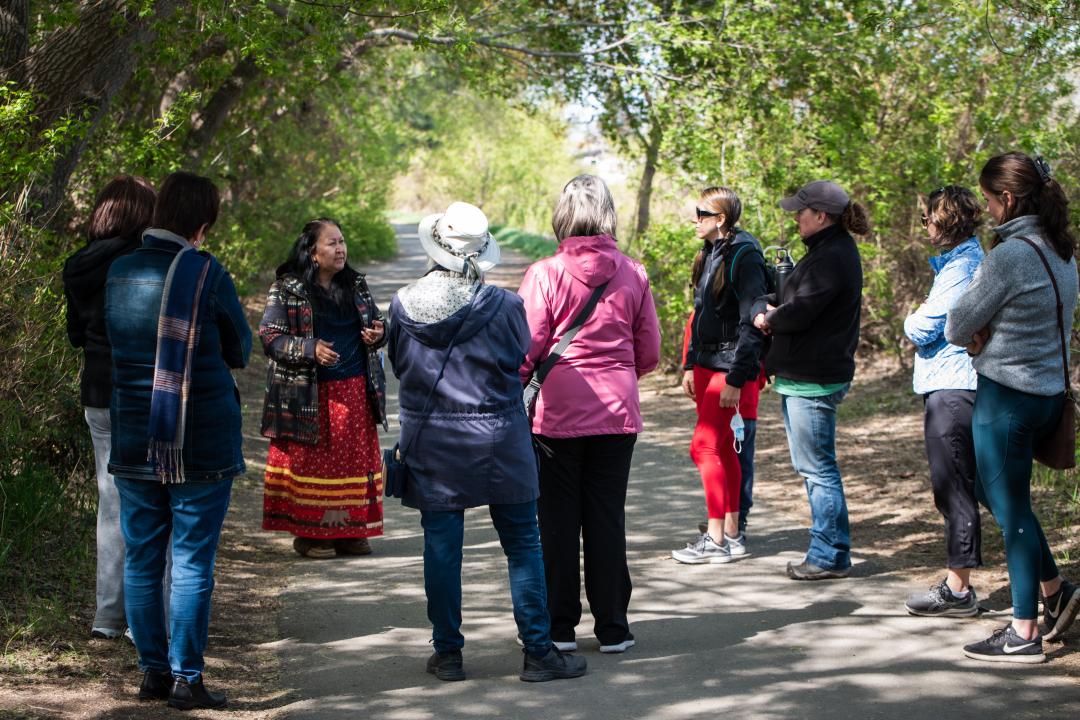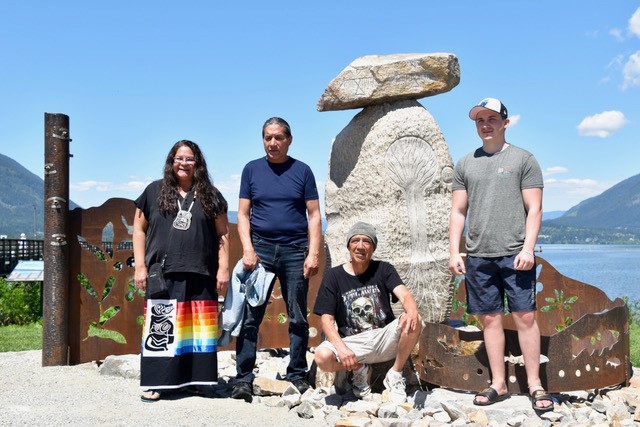
For decades, recreation systems have measured belonging through registration numbers, facility use and participation counts. Those indicators still matter, but reconciliation asks a deeper question of the sector: whether recreation spaces are prepared to recognize Indigenous ways of learning, healing, gathering, and belonging, rather than expecting Indigenous communities to fit into systems that were not built with them in mind.
Long before recreation was organized through municipal facilities, registered programs, or sport clubs, Indigenous communities had their own ways of teaching, moving, and learning together. Those practices were connected to land, language, and culture, designed for youth to stay active, connect with their culture, and understand their place within the community.
Embracing that broader understanding sits at the heart of reconciliation work currently being undertaken within the recreation sector as organizations across British Columbia continue to reflect on their responsibilities. The question is no longer only about how to make existing programs more accessible, but how recreation systems can recognize Indigenous knowledge and create spaces where identity and community are strengthened.
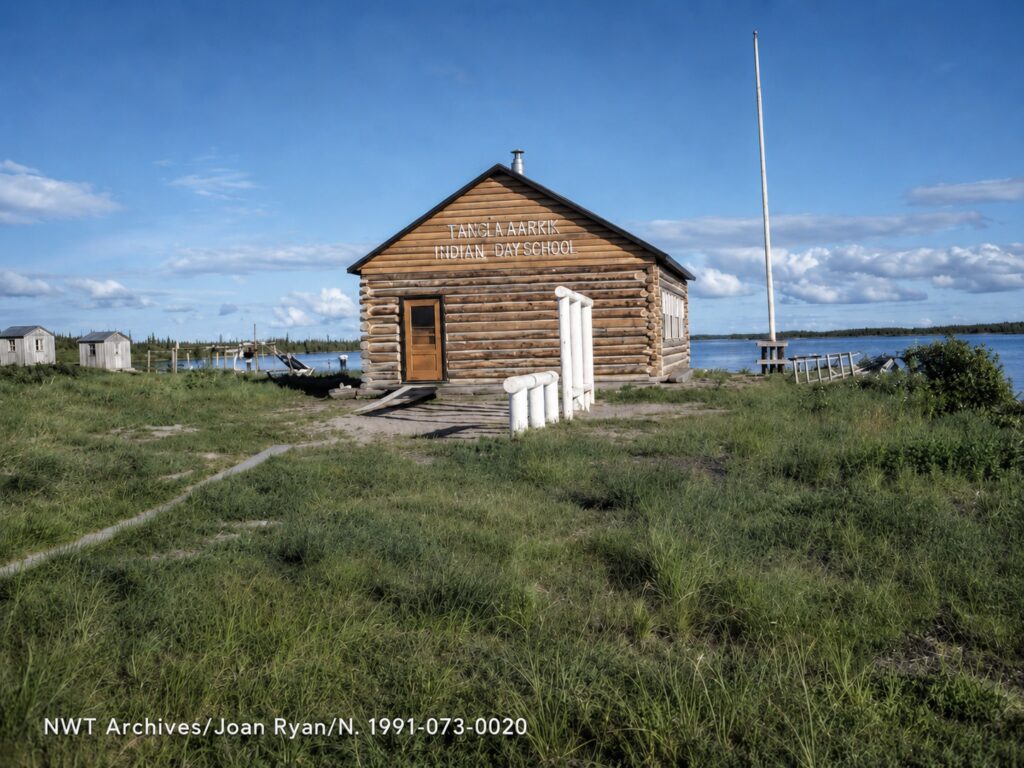
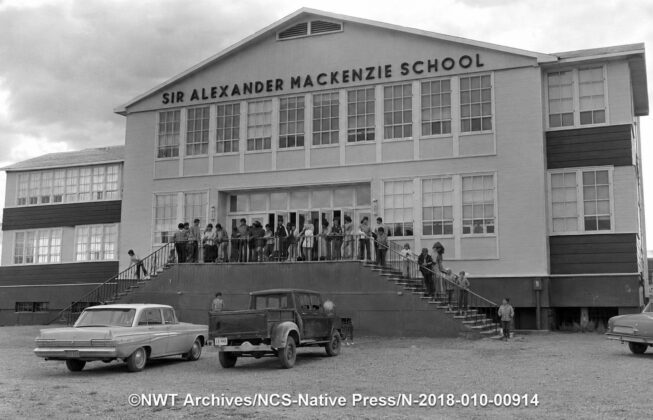
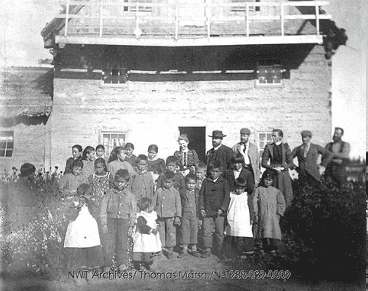
Residential and day schools disrupted those spaces long ago. Children were removed from their families, and colonial education systems often imposed strict ideas about discipline, competition, labour, and behaviour. In that context, sport and physical activity could hold complicated meanings. For some survivors, recreation provided friendship, freedom, or relief. But for others, those same spaces reflected control, shame, exclusion, or punishment.
Listening as a First Step Toward Change
That intricate history is central to How I Survived, a research project and podcast led by the Northwest Territories Recreation and Parks Association (NWTRPA). The project explores recreation at residential and day schools in the Canadian North and grew out of conversations that followed the Truth and Reconciliation Commission’s final report and 94 Calls to Action.
Jess Dunkin, project manager of How I Survived, said the podcast began after the NWTRPA invited historian Dr. Crystal Gail Fraser to speak about her research on sport and recreation at residential and day schools in the Mackenzie Delta. That presentation led the organization to ask what role a recreation association could play in supporting truth-telling.
Many organizations want to move quickly towards reconciliation, Dunkin explained, without spending enough time on truth. That is an important distinction.
“What we know from talking to survivors and intergenerational survivors is there are still so many people that haven’t shared their stories, and so much that we are still learning about both the histories and legacies of residential and day school,” Dunkin said.
Since season one released in 2024, the podcast has reached nearly 3,200 downloads, while also being shared through northern radio stations, community listening events, and classroom use. While season two is currently being developed, the podcast’s impact extends beyond raw download numbers.
Clips are shared at community listening events alongside in-person storytelling, beading kits, and colouring pages. This creates a supportive environment for people to process difficult stories in a grounded way. The use of beading was deliberate, Dunkin said, as it also supports the revitalization of Indigenous art-making practices.
Those choices reflect a larger lesson for recreation leaders: reconciliation is not only about who can access a program, but how a space is created, who shapes it and whether participants feel culturally, emotionally, and physically safe within it.
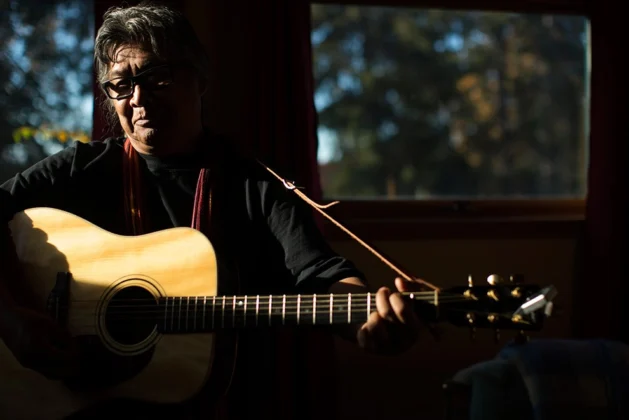
Land acknowledgements, an orange shirt, or a one-day event may be part of a larger effort, but symbolic gestures cannot be treated as meaningful reconciliation on their own. Lasting change depends on how organizations design programs and who leads them. Being mindful of those dynamics is essential to creating spaces that are inclusive, safe, and liberating.
Rethinking Recreation from the Ground Up
A pivotal starting point may be reconsidering what recreation truly entails.
“I think a lot of people hear recreation and they think of sports, or they think of organized physical activity,” Dunkin said. “There’s an invitation to understand recreation in broader terms.”
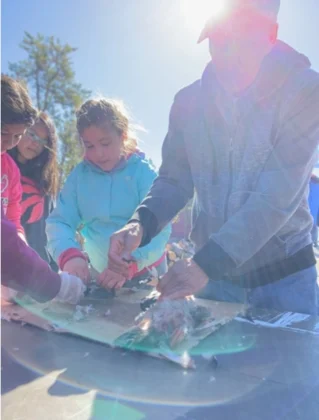
Learning language from an Elder while out on the land can be part of recreation. So can a family gathering for traditional games, a community walk, picking berries, playing string games, sledding or a program centred on food and storytelling. These activities may not look like a conventional drop-in class, but they carry cultural, social, and emotional value.
Dunkin pointed to Episode 6 of How I Survived, in which the late Agnes Kuptana invites listeners to think beyond organized physical activity.
“Every day was different, and there was no fear,” Kuptana said. “It’s all in the language. There is lots of playing time and learning to do things. Chores, sewing. Sometimes you help your cousins go check the trap line, then you come back, and you help elders if they want. You hitch up maybe one, two, three dogs and chop some ice from the lake or get water.”
There is also an invitation to stop assuming recreation is automatically connected to positive connotative value. “I think amongst recreation organizations there is an assumption that recreation equals good, and that’s not always the case,” Dunkin said. “Recreation was used by residential school administrators and teachers as a tool of assimilation.”
From Dunkin’s perspective as a non-Indigenous researcher working in the North, the recreation sector needs Indigenous involvement at every level. “It’s great to engage community members or ask how we should approach recreation in our community,” Dunkin said. “But there should be Indigenous staff, there should be Indigenous board members, there should be Indigenous leadership.”
From Intention to Accountability
For non-Indigenous recreation professionals, reconciliation is about taking responsibility for their own learning. That can include studying local histories, seeking relevant training, reviewing organizational policies, and asking whether current programs reflect the communities they claim to serve.
It also means recognizing that truth-telling remains urgent. Dunkin often recommends listening to Agnes Kuptana’s episode because it is a reminder that survivors are aging and that their stories need to be heard, recorded, and revisited. “It’s so important that not just that we record their stories, but that we listen to them, and that we continue to listen to them,” Dunkin said.
For Dunkin, those stories are indispensable because reconciliation work continues to face real challenges. Residential school denialism is one harmful obstacle, along with the slow progress on the TRC Calls to Action, more than a decade after their release.
“It’s not that we don’t know what to do,” Dunkin said. “It’s that we’re choosing not to do it.”
Reconciliation in recreation cannot be treated as a one-time project. It is relational, ongoing, and sometimes uncomfortable work. Organizations that approach it seriously will need to move slowly enough to build trust, while also being willing to change how power and decision-making are shared.
That is where reconciliation asks the sector to grow — not through a single initiative, but through a sustained commitment to truth-telling, Indigenous leadership, and programs designed with communities — not for them.
Recreation’s role in reconciliation ultimately depends on a willingness to rethink long-held assumptions about what wellness and community look like. For Indigenous youth, that work can help create spaces where culture, identity and connection are not treated as additions to recreation, but as foundations that support future generations.
About the Author
Jeffrey Kennett joins BCRPA from the University of the Fraser Valley as a Communications Intern. He aims to highlight the people, places, and experiences that make recreation and parks so valuable. When he’s not writing for BCRPA, Jeff is drawn to the energy of sport and the stories that surround it. You can find more of his work on LinkedIn.