What is the difference between feeling welcome and feeling like you belong? Bridging the gap has been on Yue-Ching Cheng’s mind for more than a decade.
He first noticed it when he worked in recreation facilities in the Lower Mainland. During the day, he spent his time trying to create spaces and programming that appealed to everyone, including visible minorities. Then on his commute home, he would observe groups of South Asian men or Latin American mothers playing in a park or chatting on benches. These were people he seldom saw in his buildings.
“It always sat in the back of my brain,” he says. “As a practitioner, how do you make your services accessible to everybody?”
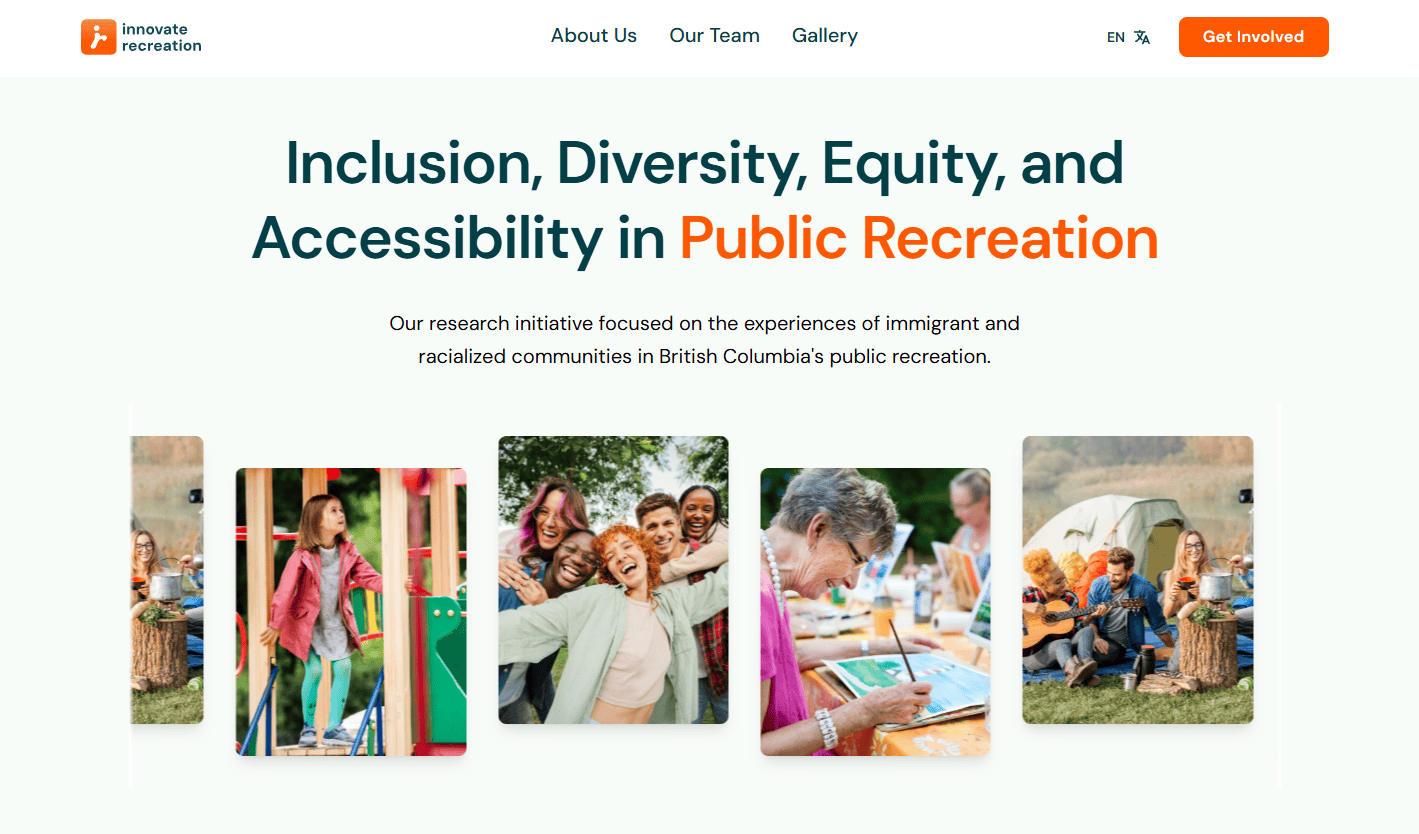
A decade later, Cheng is now the Department Chair of Recreation Studies at Langara College, and he’s leading a research initiative called Innovate Recreation alongside his co-lead, Emma Courtney, that seeks to answer that very question. Even more important, he says, is to make sure their work creates insights that are applicable and actionable for people working in recreation.
“Working in academia after being a practitioner, I noticed that it was often difficult to translate research into something useful for those working in the field,” he says. “I was itching to find some way to give back to practitioners.”
The federal government provided funding for the study, which Cheng is conducting in partnership with BC Recreation & Parks Association (BCRPA). Langara students are taking part in the research.
“The [focus groups] feel welcome at recreation facilities…The question is about belonging. Do they feel seen, like it’s a second home? How you create that is the million-dollar question.”
Yue-Ching Cheng, Department Chair of Recreation Studies at Langara College
Because most recreation research focuses on urban areas — while most BC communities are smaller and rural — Cheng studied two differently sized communities: Burnaby, an urban city next to Vancouver, and Courtenay, a rural town on Vancouver Island.
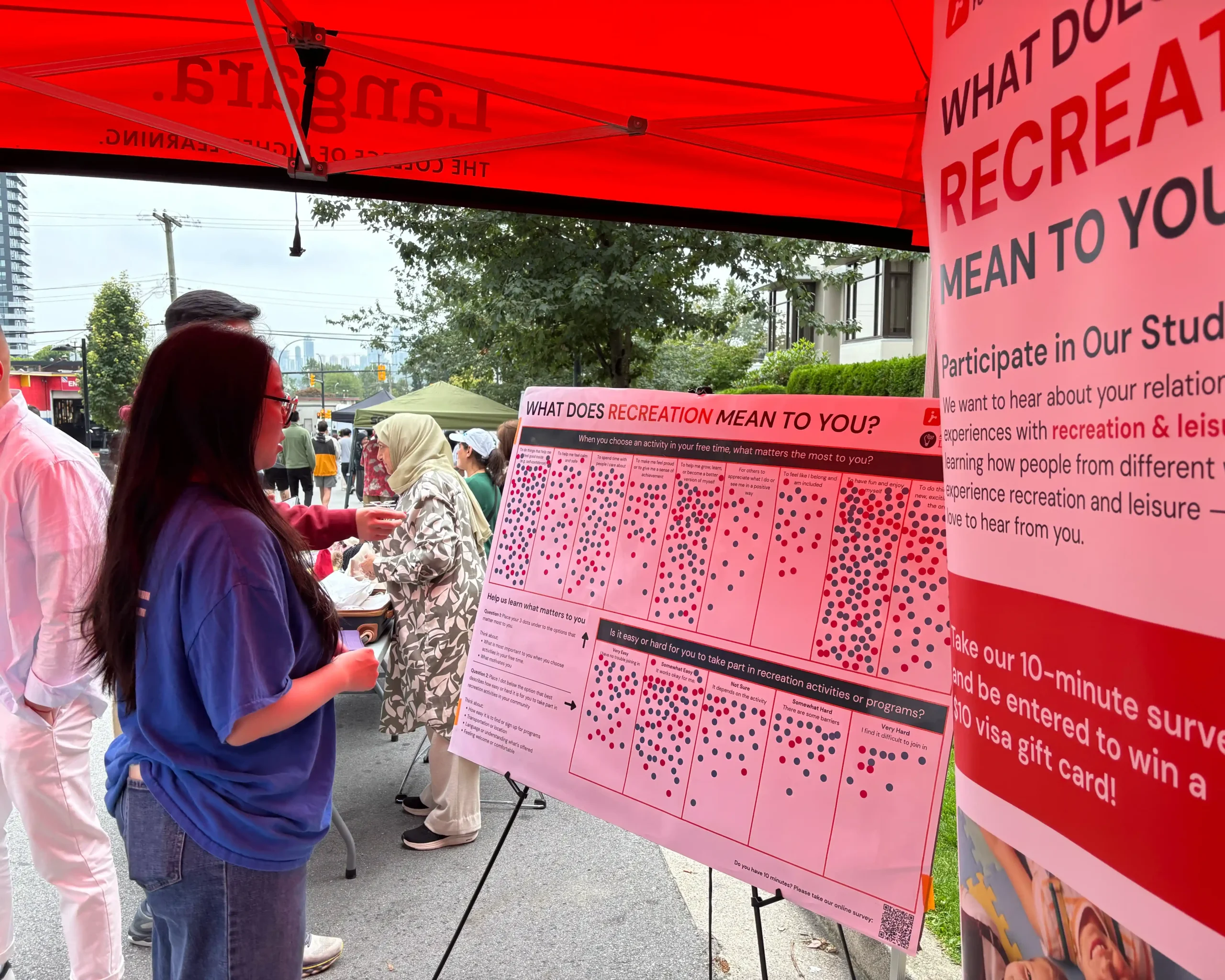
In the first phase of the study, the researchers conducted one-on-one interviews and focus groups with racialized community members in both communities. The Langara students started by interviewing people who use recreation facilities. Then they approached the ones who weren’t taking part in organized programs, but were using parks. They continued to move further away from the system until they were interviewing newly landed immigrants.
They asked them all similar questions: What motivated them to recreate? Who did they recreate with? What barriers kept them from recreating more?
For many of the students, the research has also been a chance to step back and look at recreation through the lens of their own immigrant experiences. They hadn’t realized how many recreation opportunities existed around them as they navigated settling in, going to school and figuring out life.
At the same time, the students also interviewed recreation staff to better understand their experience: How do they interact with racialized and immigrant community members? What’s working to make people feel like they belong? What’s not?
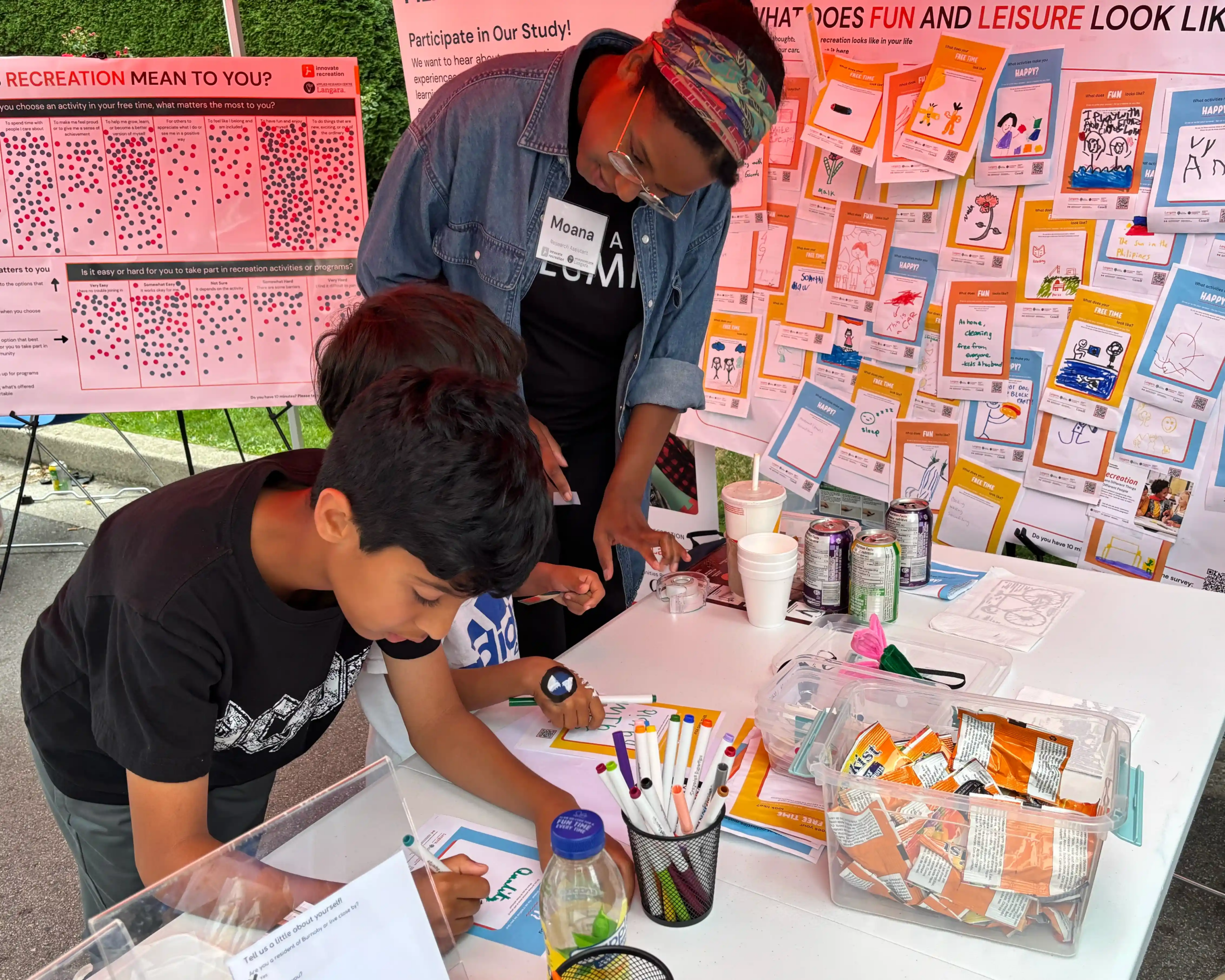
Cheng, Courtney, and their students are now heading back to communities to share the findings and gather more feedback, including this flyer for the City of Courtenay. From there, they will put it all together — what the staff see and believe and what the community see and believe — to better understand the gaps in the system. Eventually they hope to bring both staff and the racialized and immigrant community members together to come up with recommendations.
Cheng expects nuance, not a silver bullet.
“The focus groups tell us they feel welcome at recreation facilities. They say the staff are awesome,” he explains. “The question is about belonging. Do they feel seen, like it’s a second home? How you create that is the million-dollar question.”
He hopes the study will produce interventions that create more belonging, for more people. An even bigger dream — one he’s had since those commutes home a decade ago— is to change the face of recreation.
“If parents don’t feel like they belong in a recreation facility, then their kids don’t take swimming lessons, and they don’t become lifeguards,” Cheng says. “Through this project, if we increase access to recreation at a participant level, we will increase the number of people who see recreation as a career opportunity. They move up through the system. Years from now, we hope to have more diverse faces and lived experiences at all levels of recreation and parks staff.”
That, he says, is the moon shot.
For practitioners looking to turn these ideas into action, BCRPA’s new Pathways to Belonging certification program offers another opportunity to build their skills through training focused on IDEA (Inclusion, Diversity, Equity, and Accessibility).
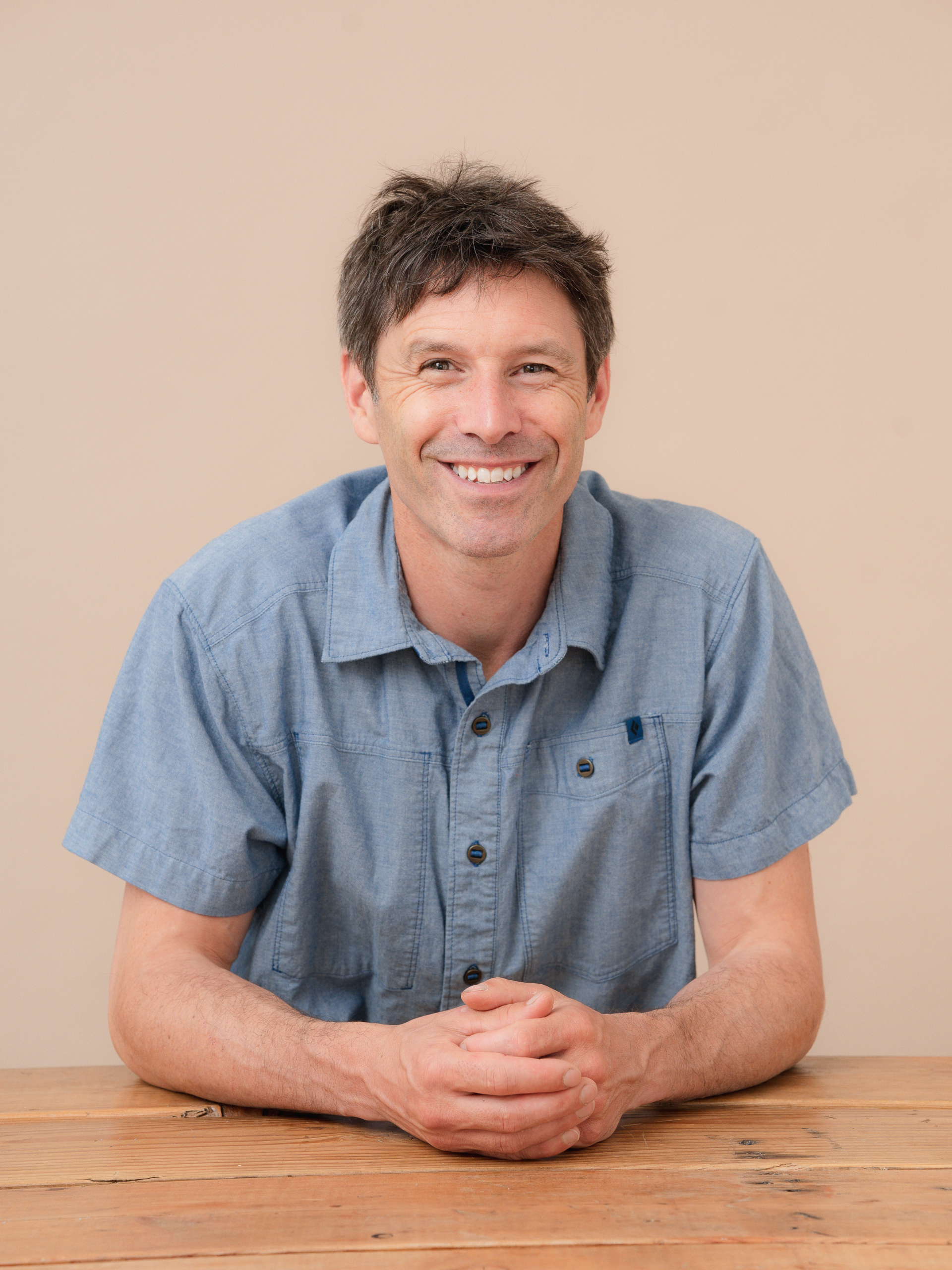
About the Author
Ryan Stuart has two loves: being active, especially outdoors, and writing. His best days combine the two. Ryan is a contributor to many outdoor and adventure sport magazines and websites and writes blog posts and hosts webinars for the Outdoor Recreation Council of BC. He’s based in the Comox Valley on Vancouver Island. You can follow his work on Instagram @Ryan_adventures