A tree planted today needs years to establish its roots before being able to meaningfully cool a playground, trail, or sidewalk.
With BC summers growing hotter and droughts becoming more pronounced, how much shade communities have during the next heat wave depends on decisions made years in advance: where new trees are planted, how much soil they receive, and whether municipalities have the resources to care for them.
Since the 2021 heat dome, parks, pools, libraries, and recreation centres have taken on a larger role in municipal emergency response. During extreme heat, shaded public spaces and air-conditioned facilities can provide relief for seniors, renters, unhoused residents, and people without reliable access to cooling at home.
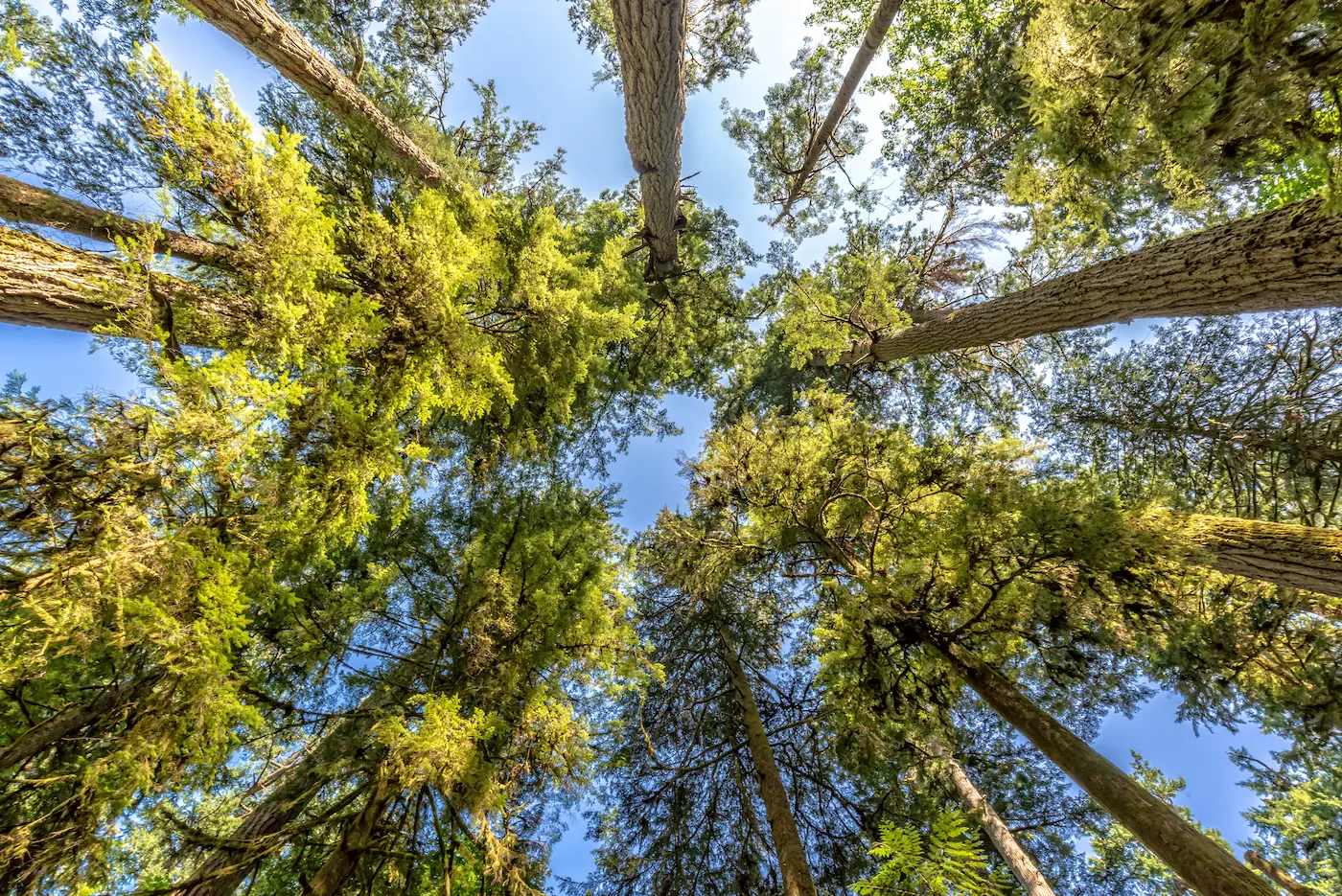
Tree canopy lowers surface temperatures, makes walking and outdoor activity safer, supports biodiversity, and helps public spaces remain usable during hot weather. The challenge is protecting the shade communities already have while growing more of it where people live, work, and play.
Protect the Shade Already Standing
Mature trees provide benefits that new plantings cannot immediately replace.
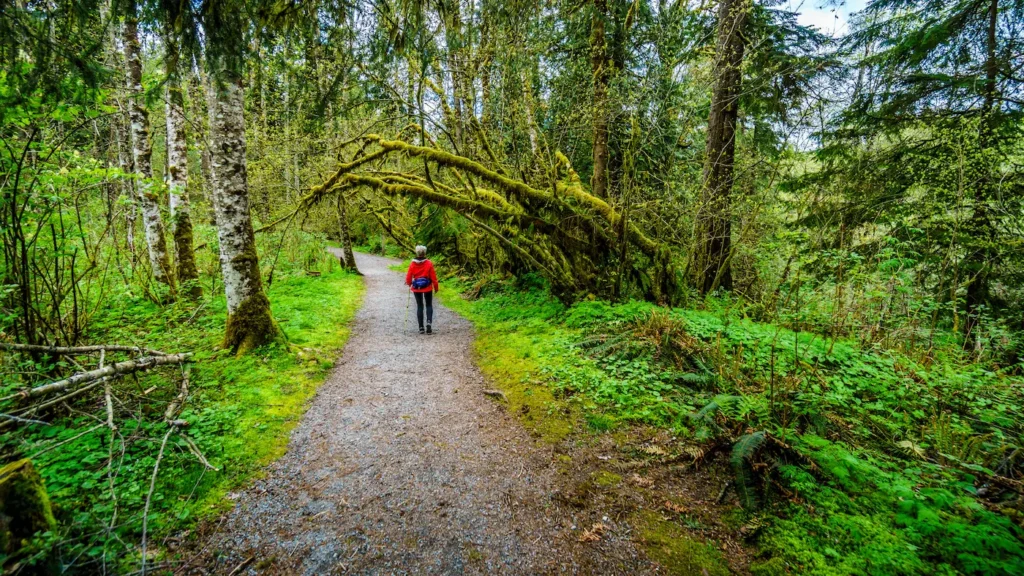
At more than 178 hectares, Mundy Park is one of Coquitlam’s largest urban forests and was identified through public engagement as the city’s most valued urban forest location. Its trails and year-round shade demonstrate the value of preserving established green space as cities grow.
Coquitlam’s Urban Forest Management Strategy reports the city had about 52 per cent tree canopy cover overall in 2022, but only 33 per cent inside its urban containment boundary, where most residents and businesses are located. The gap shows why a strong citywide canopy number does not necessarily mean shade is available along sidewalks, near transit stops, or around recreation facilities.
Surrey has also protected large areas of mature canopy. Green Timbers Urban Forest, a roughly 182-hectare park, is protected in perpetuity through a dedicated bylaw.
“The city made sure that area would be protected for residents now and into the future,” said Rob Landucci, Surrey’s urban forestry manager.
Once a mature urban forest is removed, its cooling, habitat, and public-health benefits can take decades to rebuild, making canopy protection a key facet of long-term infrastructure planning.
Put Trees Where People Need Them
Large parks cannot cool entire cities on their own. Municipalities also need to identify streets, playgrounds, and trails where a lack of shade creates the greatest risk.
The City of Penticton compares land-surface temperatures, impervious surfaces, and population density to identify areas where trees could have the greatest impact. That analysis prioritizes areas where heat exposure is high and residents may have fewer options to escape extreme temperatures.
Playgrounds, pools, and other recreation sites are natural candidates for this kind of priority mapping — the same facilities municipalities already lean on as public cooling spaces during extreme heat.
“The purpose of the urban forest management plan is to make sure that the canopy cover and its benefits are within the urban areas where people live, work and play,” said Ysabel Contreras, the city’s parks capital projects supervisor.
Penticton’s current canopy cover is about 17 per cent, Contreras said, with much of it located in natural areas rather than the urban places people use every day.
Help New Trees Reach Maturity
Planting targets only matter if trees survive long enough to reach true maturity.
Surrey maintains a GIS-based tree inventory and follows young trees through scheduled watering, pruning, soil care, pest management, and hazard assessment. New street trees may receive watering for up to seven years.
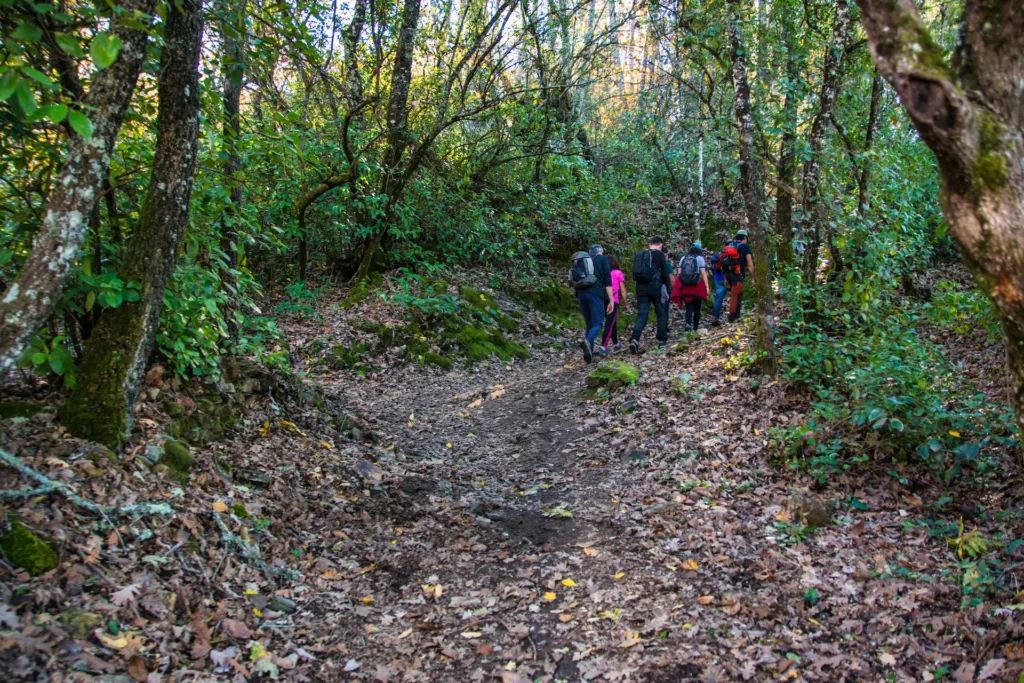
“Without the support of watering and pruning, the long-term health of the trees are impacted, and their lifespans are impacted as well,” Landucci said.
Some of the most important factors identified in Penticton’s long-term success have been soil volume, irrigation, and planting quality. Contreras described that two trees of the same species planted only metres apart at Penticton’s Lakawanna Park resulted in one growing large in open park soil, while the other remained much smaller in a restricted planting strip.
“The environment really matters,” she said.
A tree may be selected for drought tolerance or expected size, but it will still struggle if it is planted in compacted soil, confined by pavement, or left without adequate water during establishment. Providing enough root space and budgeting for several years costs more up front but gives each tree a better chance of delivering decades of shade.
Grow Canopy for a Hotter Future
BC communities cannot build climate-ready canopy through planting numbers alone — they need to protect mature trees, direct new planting toward areas with the greatest heat, and fund the maintenance that allows young trees to reach maturity — but they also need to plan for local conditions.
A tree that thrives on the South Coast may not suit Penticton’s dry grassland environment or a northern community facing heavier snow and shorter growing seasons. Species selection, soil, irrigation, and available space must reflect both current conditions and the climate a tree will experience over its lifetime.
The strongest municipal examples share a practical approach: protect irreplaceable canopy, use data to decide where shade is most needed, give trees enough room to grow, and treat establishment care as an irreplaceable part of the project rather than an optional expense.
Parks and recreation professionals are already managing spaces that serve as cooling frontlines during extreme heat, and the shade residents depend on during a future heat wave will come from trees protected, planted, and maintained today.
About the Author
Jeffrey Kennett joins BCRPA from the University of the Fraser Valley as a Communications Intern. He aims to highlight the people, places, and experiences that make recreation and parks so valuable. When he’s not writing for BCRPA, Jeff is drawn to the energy of sport and the stories that surround it. You can find more of his work on LinkedIn.